
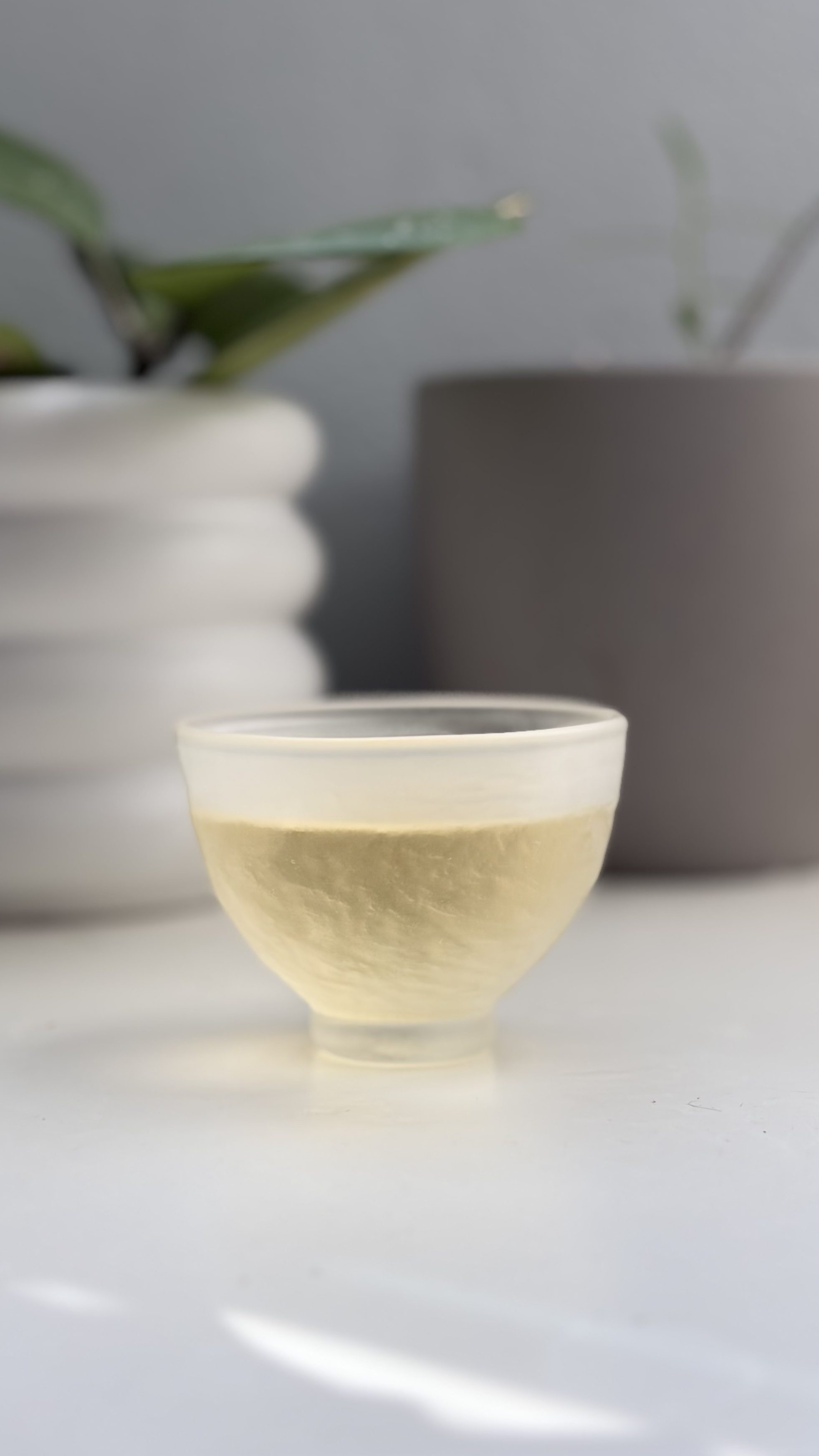
In Japan, a teacup is more than a vessel — it is a quiet expression of harmony, respect, and presence. Rooted in the tradition of the Japanese tea ceremony, each cup is chosen with intention, reflecting the season, the setting, and the spirit of the reflection.
Teacups like the image above bring such happiness and beauty that drinking tea out of it makes it extra special and delicious. This particular teacup was purchased at a tea shop located in Boston called Kong Mountain Tea that sell a variety of beautiful teacups, from crafted potters in Asia.
There’s a Japanese term, wabi-sabi, that means the beauty of imperfection and impermanence. As you sip tea from your vessel, you observe the imperfections of the teacup and drink in the acceptance of imperfection.
Nowadays, teacups are mass-produced and easily replaced with a pristine, freshly glazed cup. When I first noticed a chip in one of mine, my immediate instinct was to replace it. That tiny imperfection made the vessel seem incapable of holding the same beauty it once did, as if this new-born cup had already been tainted and was no longer sacred.
I resisted the urge to go back online and buy another one. Like the teacup, life will always have its cracks and its faults. It is the gentle act of accepting them that allows a different kind of beauty to emerge. Through the lens of wabi-sabi, the story behind the chips and cracks becomes beautiful in its own way. They turn from flaws into quiet stories of use, time, and care.
In the end, the cup did not lose its beauty—it simply changed. And, as they say, beauty is in the eye of the beholder.
 INTENT tea & art